
Holiday routines can change how often teeth are exposed to sugar, starch, alcohol, acidic drinks, and late-night snacks. Travel and social events may also lead to missed brushing, skipped interdental cleaning, dry mouth, or prolonged sipping.
These habits affect teeth through different mechanisms. Sugar and starch can support bacterial acid production, increasing cavity risk. Wine, soda, citrus drinks, and some cocktails can expose enamel directly to dietary acids. Plaque left along the gumline may contribute to redness or bleeding, while coffee, tea, and red wine can add surface staining.
The solution is not a special cleanse. It is a structured return to effective home care, combined with a professional examination when symptoms or overdue preventive needs are present.
What “Dental Detox” Actually Means
“Dental detox” is not a special cleansing procedure. In this article, it means returning to consistent brushing, interdental cleaning, fluoride use, lower-frequency sugar exposure, hydration, and professional care when needed.
Home care can disrupt soft plaque and support early remineralization. However, it cannot remove hardened calculus, repair an established cavity, or diagnose the cause of bleeding, sensitivity, pain, or persistent bad breath. Soft plaque can be disrupted through brushing and interdental cleaning, but the National Institute of Dental and Craniofacial Research (NIDCR) notes that mineralized calculus requires professional instruments.
What Happens to Your Teeth During the Holidays
Every holiday meal exposes your teeth to sugar, starch, and acids. Snacking throughout the day also gives bacteria more time to grow.
When holiday habits linger:
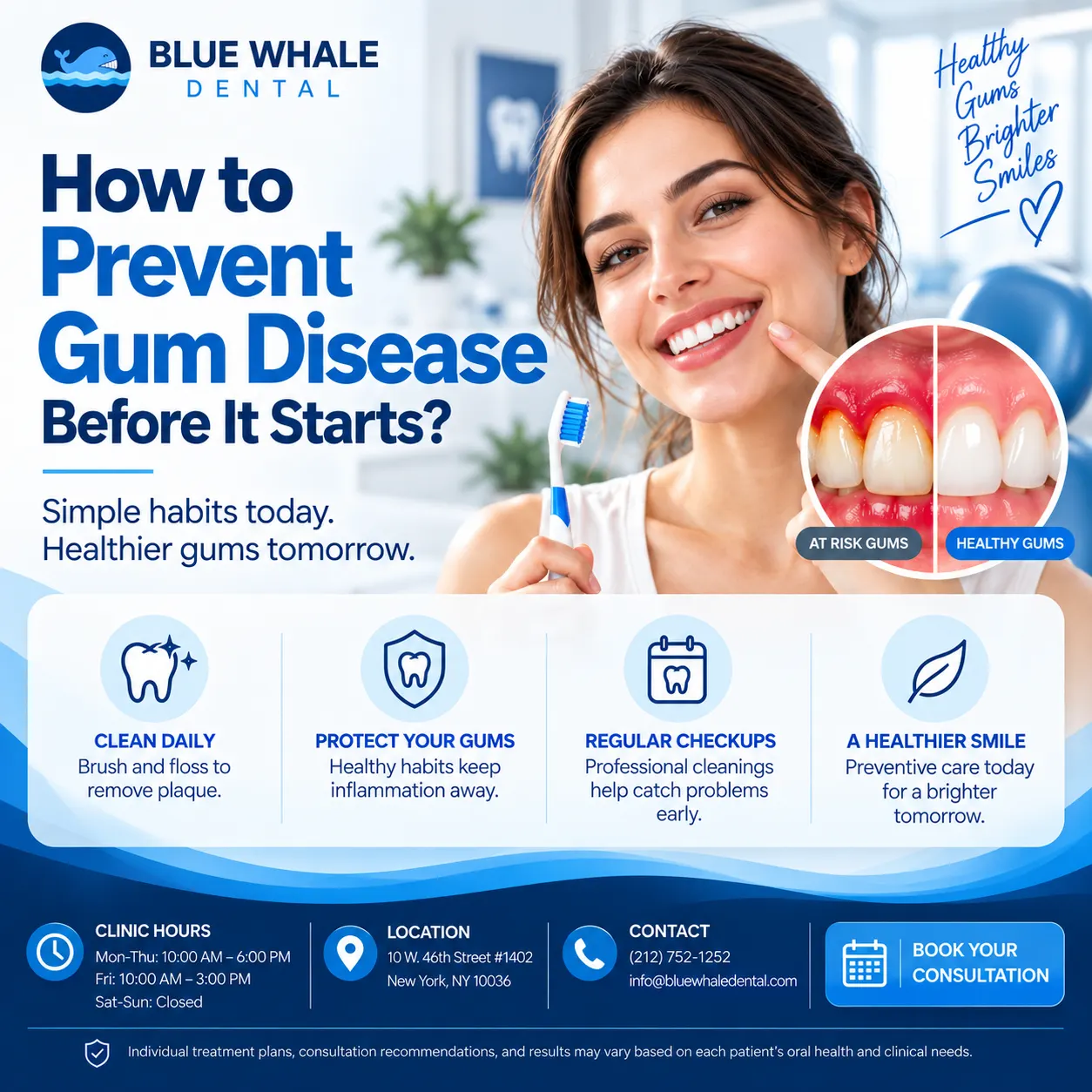
- Plaque builds up faster
Frequent snacking and sweets create a sticky layer of plaque. If not removed, it hardens and traps bacteria. - Gums can become irritated
Sugary foods and alcohol increase inflammation. You may notice mild tenderness or bleeding while brushing. - Acid exposure increases
Wine, soda, and desserts lower the pH in your mouth and weaken enamel. - Bad breath becomes more common
Foods sit longer between teeth when routines are irregular. This causes odor that brushing alone cannot fix. - Risk of cavities increases
Prolonged sugar exposure feeds bacteria that produce acids which damage enamel.
A post holiday dental detox prevents these changes from turning into long term oral problems.
What an Oral Health Reset Can Realistically Accomplish
Re establish consistent plaque control: Brushing twice daily and cleaning between teeth each day can disrupt soft plaque before it mineralizes.
Reduce repeated sugar and acid exposure: Returning to structured meals and avoiding prolonged sipping can reduce the number of acid challenges throughout the day.
Support early remineralization: Fluoride toothpaste and saliva can support remineralization when enamel damage is still at an early, non-cavitated stage.
(Note: Early white spot demineralization may sometimes be arrested, but cavitated decay requires professional management.)Identify symptoms that need evaluation: Bleeding, pain, sensitivity, swelling, persistent bad breath, rough restorations, and visible enamel changes should not be treated as routine holiday effects without examination.
A Practical Seven Day Oral Health Reset
Day 1: Review your current routine
Check whether you are brushing twice daily, cleaning between the teeth, and using fluoride toothpaste. Identify the part of the routine most frequently missed.
Day 2: Improve brushing technique
The ADA recommends twice daily, two minute brushing. Use a soft bristled toothbrush, paying attention to the gumline, back molars, and inner surfaces.
Day 3: Restart daily interdental cleaning
Use floss, an interdental brush, a floss holder, or another tool suitable for your tooth spacing and dental work.
Day 4: Reduce exposure frequency
Have sweet or acidic foods with meals when possible instead of repeatedly grazing or sipping throughout the day. Choose snacks that are lower in added sugar, like plain yogurt, nuts, and cheese.
Day 5: Make water the normal between meal drink
Use plain water to support hydration and help clear residual food and acids.
Day 6: Check your toothbrush and products
Inspect the bristles. The ADA recommends replacing a manual toothbrush or powered brush head approximately every three to four months, or sooner when the bristles appear worn or frayed. Do not add mouthwash automatically unless it has a clear purpose; mouthrinse may be a useful addition for selected patients, but it does not replace mechanical brushing.
Day 7: Review warning signs
Look for persistent gum bleeding, sensitivity, pain, swelling, bad breath, visible calculus, broken dental work, or enamel changes. Schedule an examination when these are present.
Home Care vs Professional Dental Care
| Aspect | At Home Care | Professional Care at Blue Whale Dental |
|---|---|---|
| Daily cleaning | Brushing and flossing remove soft plaque | Professional cleaning removes tartar and buildup you cannot reach |
| Gum health | Helps reduce mild inflammation | Early detection and treatment of gum disease |
| Stain and odor control | Reduces food debris and bacteria | Polishing removes surface stains and refreshes breath |
| Tools | Toothbrush, floss, mouthwash | Scalers, polishers, fluoride, digital diagnostics |
| Prevention | Improves daily habits | Customized prevention plans for long term oral health |
For more information about Dental Detox, visit the American Dental Association’s guide.
Cleaning, Whitening, and a Dental Examination Are Not the Same
Dental cleaning: Removes plaque, calculus, and selected surface stains. It does not bleach the natural internal color of teeth.
Dental examination: Evaluates teeth, gums, restorations, bite, sensitivity, oral tissues, and risk factors. The ADA states that the need and timing for dental radiographs depend on individual oral health, age, signs, symptoms, and disease risk.
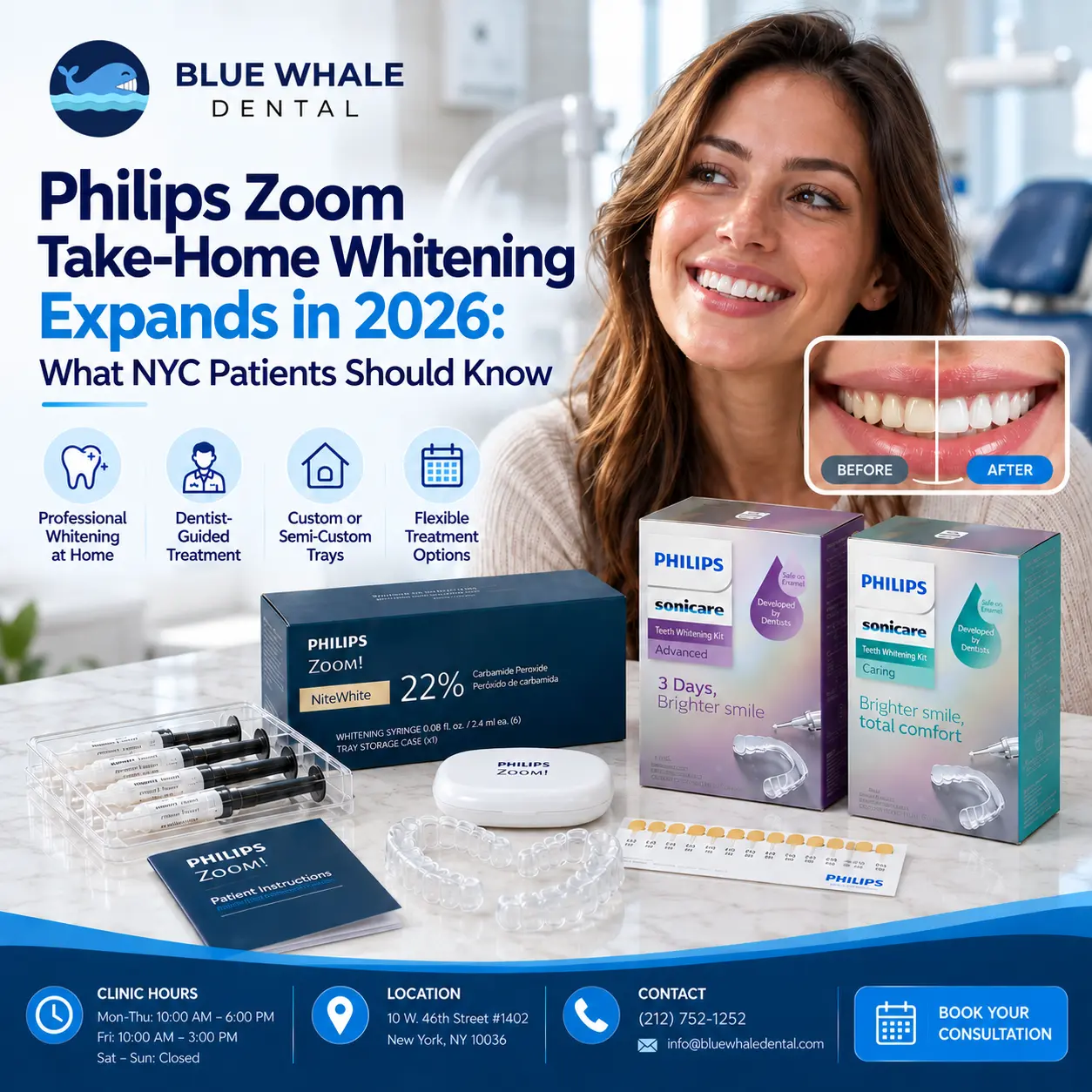
Professional whitening: Changes the shade of eligible natural teeth using a whitening process to treat coffee or wine staining. It does not replace preventive or restorative care and does not whiten crowns, veneers, or fillings.
Periodontal treatment: May be required when gum disease extends beyond the level addressed by a routine preventive cleaning.
Long Term Prevention Tips
A dental detox works best as part of a consistent routine.
- Brush twice a day with fluoride toothpaste.
- Drink water regularly to maintain hydration.
- Limit sticky sweets and sugary drinks.
- Choose snacks like nuts, yogurt, and vegetables.
- Replace your toothbrush every three months.
- Schedule cleanings twice a year.
- For more information about protecting your teeth, visit the American Dental Association’s resources.
Signs You Should Schedule a Dental Examination
A post holiday reset is appropriate for temporary routine disruption. Ongoing symptoms require professional diagnosis rather than a longer home “detox.” Schedule a visit if you experience:
Sensitivity that continues after returning to a normal diet
Pain when chewing, or pain from sweets, hot drinks, or cold drinks
Persistent gum bleeding that continues despite gentle daily cleaning
Swelling of the gum or face
Persistent bad breath
Pain, swelling, or broken dental work (like a chipped tooth or lost filling)
Visible white, brown, or dark areas
A rough or sharp restoration
Gum recession or dry mouth most days
How to Maintain the Routine After the Holidays
Many patients receive preventive examinations and cleanings approximately every six months, but the appropriate interval should be based on cavity history, gum health, plaque and calculus accumulation, medical factors, dental restorations, and individual risk. The ADA emphasizes building a personalized cavity prevention plan rather than relying on one identical schedule for every patient.
Frequently Asked Questions
What is a post-holiday dental detox?
It is better understood as a return to a consistent oral-care routine not a cleansing treatment. It includes fluoride toothpaste, daily interdental cleaning, reduced sugar frequency, hydration, and professional evaluation when symptoms are present.
Can a professional cleaning whiten my teeth?
A cleaning can remove plaque, calculus, and some external stains from coffee, tea, wine, or tobacco. It does not bleach the natural internal color of teeth. Professional whitening is a separate cosmetic treatment.
Can early enamel damage be reversed?
Early mineral loss without a physical cavity may sometimes be arrested or remineralized with fluoride, saliva, improved plaque control, and reduced sugar exposure. Once tooth structure has cavitated, home care cannot rebuild the missing enamel.
Why Choose Blue Whale Dental in NYC
New Yorkers choose Blue Whale Dental because we make preventive care simple, comfortable, and easy to maintain. Our team focuses on gentle cleanings, early detection, and clear guidance that helps you protect your smile all year.
If your holiday routine has been heavy on sweets, long hours, or travel, now is the perfect time to reset.