
Veneers are one of the most popular cosmetic dentistry treatments for patients who want a brighter, more balanced smile. They can transform the appearance of teeth that are chipped, stained, worn, slightly crooked, or uneven. But if you are considering treatment, one of the first questions you may have is: How long do veneers last?
That is an important question, especially for Manhattan patients who want a cosmetic solution that looks natural and holds up to everyday life. Veneers can last for many years, but their lifespan depends on the material used, how they are placed, and how well you care for them over time.
In this guide, we will explain how long veneers typically last, what factors affect their durability, and how to help protect your investment in your smile.
What Are Veneers?
Veneers are thin shells placed on the front surface of teeth to improve their shape, color, and overall appearance. They are custom made to blend with your smile and are often used for cosmetic concerns such as:
- Deep staining or discoloration
- Minor chips or cracks
- Small gaps between teeth
- Uneven or worn teeth
- Slightly misaligned front teeth
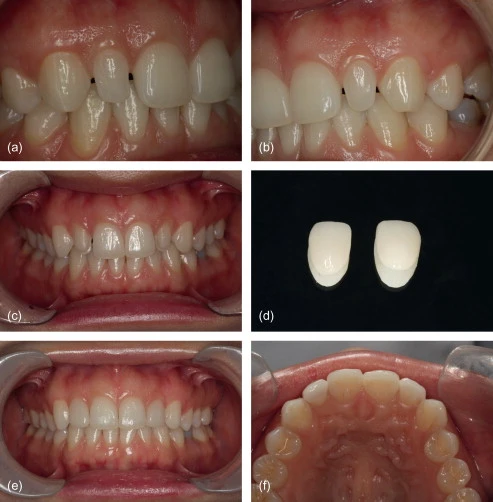
Most veneers are made from porcelain or composite resin. Porcelain veneers are generally stronger and more stain resistant, while composite veneers may be more affordable but usually do not last as long.
How Long Do Veneers Last on Average?
The answer depends on the type of veneer.
Porcelain veneers:
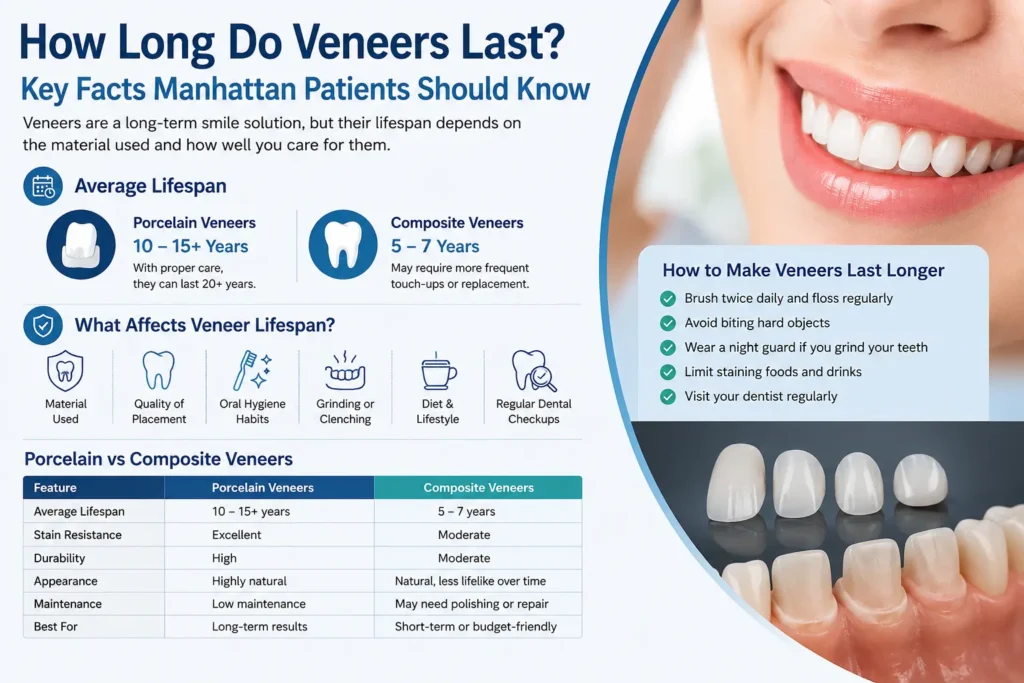
Porcelain veneers typically last 10 to 15 years, and in many cases longer with proper care. Some patients keep theirs for 20 years or more.
Composite veneers:
Composite veneers usually last around 5 to 7 years. They may need more frequent touch ups or replacement because the material is less durable and more prone to staining.
The phrase “How Long Do Veneers Last” does not have just one answer because longevity depends on both the material and the patient’s habits. Still, for many Manhattan patients, porcelain veneers offer an excellent balance of aesthetics and long term value.
What Affects Veneer Lifespan?
Several factors can influence how long your veneers remain in good condition.
1. The material used:
Porcelain is more durable than composite resin and resists staining better. If longevity is a top priority, porcelain is usually the preferred option.
2. The quality of placement:
A veneer must fit precisely for it to function well and look natural. Careful preparation, accurate impressions or digital scans, and skilled placement all affect long term success.
3. Your oral hygiene habits:
Even though veneers do not decay, the teeth underneath them can still develop cavities or gum problems. Brushing twice daily, flossing regularly, and seeing your dentist for routine visits help protect both the veneer and the underlying tooth.
4. Bite and grinding habits:
Patients who clench or grind their teeth place extra pressure on veneers. Over time, this can lead to chips, cracks, or debonding. A custom night guard may be recommended for protection.
5. Diet and lifestyle:
Hard foods, ice chewing, nail biting, and using teeth to open packaging can damage veneers. Frequent exposure to staining agents such as red wine, coffee, and tea may also affect composite veneers more than porcelain ones.
6. Regular dental checkups:
Routine dental visits help your dentist monitor wear, catch small issues early, and keep your gums healthy. Veneers are more likely to last when they are professionally maintained.
Porcelain vs Composite Veneers: Which Lasts Longer?
If you are deciding between veneer types, lifespan is one of the most important differences.
Feature | Porcelain Veneers | Composite Veneers |
|---|---|---|
Average lifespan | 10 to 15 years or more | 5 to 7 years |
Stain resistance | Excellent | Moderate |
Durability | High | Moderate |
Appearance | Highly natural, translucent | Natural, but may be less lifelike over time |
Maintenance | Low to moderate | Moderate to high |
Cost | Higher upfront | Lower upfront |
Porcelain veneers often cost more initially, but they may be more cost effective over time because they last longer and require fewer repairs or replacements. Composite veneers can be a good option for patients looking for a less expensive or more conservative cosmetic solution, but they may require earlier replacement.
Do Veneers Need to Be Replaced?
Yes, eventually veneers do need to be replaced. Even if the veneer itself is still intact, changes in the tooth, gumline, or bite can affect how it looks and functions over time.
Signs that a veneer may need replacement include:
- Visible chips or cracks
- Loosening or debonding
- Staining that cannot be polished away
- Gaps at the edges
- Gum recession that exposes the tooth margin
- Uneven wear or changes in bite
A well maintained veneer may last many years, but replacement is a normal part of the long term treatment plan.
Can Veneers Fail Early?
Yes, veneers can fail earlier than expected if they are exposed to too much stress or if there are underlying dental issues. Early failure is not common when treatment is done properly, but it can happen.
Common causes of early veneer failure include:
- Teeth grinding or clenching
- Trauma or injury
- Poor bonding
- Tooth decay under the veneer
- Gum disease
- Using teeth as tools
- Skipping dental maintenance
If a veneer feels loose, rough, or painful, it should be evaluated promptly. Early intervention may help prevent more extensive damage.
How to Make Veneers Last Longer?
The good news is that there are many ways to protect your veneers and extend their lifespan.
Maintain excellent oral hygiene
Brush with a soft bristled toothbrush and non abrasive toothpaste. Floss daily to keep plaque from building up around the veneer edges and gumline.
See your dentist regularly
Professional cleanings and exams are essential. Your dentist can monitor the condition of the veneers and the health of the supporting teeth.
Wear a night guard if needed
If you grind or clench your teeth, a custom night guard can reduce pressure and prevent chips or fractures.
Avoid damaging habits
Do not bite ice, chew pens, or open packages with your teeth. These habits can shorten veneer lifespan.
Be mindful of staining foods and drinks
Porcelain resists stains well, but the surrounding teeth and bonding areas may still discolor over time. Composite veneers are more vulnerable to staining, so limiting coffee, red wine, and dark tea can help.
Address problems early
If you notice rough edges, sensitivity, or a change in how the veneer fits, schedule a dental visit sooner rather than later. Small issues are often easier to manage before they become bigger ones.
What to Expect From Veneers Over Time?
Veneers are designed to be a long term cosmetic solution, but they are not permanent. Over the years, you may notice subtle changes in color, fit, or surface texture. This does not mean the treatment failed. It simply means the veneers have reached a point where maintenance or replacement may be appropriate.
Many Manhattan patients appreciate veneers because they provide predictable cosmetic improvement with relatively little daily maintenance. Once placed, they feel like a natural part of the smile. Still, because they are attached to the front teeth, they need the same thoughtful care as any other dental restoration.
Are Veneers Worth the Investment?
For many patients, yes. Veneers can deliver a major smile transformation in a relatively short period of time. They can improve confidence, enhance facial aesthetics, and create a polished appearance that lasts for years.
Whether they are worth it depends on your goals, your oral health, and the condition of your teeth. Patients looking for a dramatic and durable cosmetic improvement often find veneers to be a strong option. If you want a longer lasting result, porcelain veneers are usually the better choice.
It is also worth considering the tradeoffs. Veneers are a cosmetic restoration, and in most cases a small amount of tooth enamel must be removed to place them properly. That means the treatment is not reversible in the same way as whitening or bonding. For many people, however, the visual and functional benefits outweigh that consideration.
Who Is a Good Candidate for Long Lasting Veneers?
Good candidates for veneers usually have:
- Healthy teeth and gums
- Adequate enamel for bonding
- Cosmetic concerns that veneers can address
- Realistic expectations about maintenance and replacement
- No uncontrolled grinding or active gum disease
If you have significant decay, gum disease, or a bite issue, those concerns should be treated first. A cosmetic consultation can help determine whether veneers are the right solution or whether another treatment may be better.
Veneer Lifespan and Care Comparison
Veneer Type | Typical Lifespan | Best For | Main Tradeoff |
|---|---|---|---|
10 to 15 years or more | Patients seeking long term durability and natural appearance | Higher upfront cost | |
Composite Veneers | 5 to 7 years | Patients seeking a more affordable cosmetic option | Shorter lifespan and more staining |
Alternative Treatment | Varies | Patients who may benefit from whitening, bonding, or orthodontics | May not provide the same aesthetic change |
Final Thoughts
So, how long do veneers last? In most cases, porcelain veneers last 10 to 15 years or more, while composite veneers generally last 5 to 7 years. Their lifespan depends on the material, placement quality, your oral habits, and how well you care for them over time.
For Manhattan patients considering a smile makeover, veneers can be a worthwhile investment when chosen carefully and maintained properly. They offer a natural look, reliable performance, and long term cosmetic improvement, especially when placed by an experienced dental team.
If you are thinking about veneers, the best next step is a personalized consultation to discuss your goals, oral health, and the option that best fits your smile.
Frequently Asked Questions About Veneers
How long do veneers last on front teeth?
Front teeth veneers typically last the same amount of time as other veneers. Porcelain veneers often last 10 to 15 years or longer, while composite veneers usually last 5 to 7 years.
Do veneers stain?
Porcelain veneers are highly stain resistant. Composite veneers can stain more easily, especially with frequent coffee, tea, red wine, or tobacco use.
Can veneers be repaired?
Small chips in composite veneers may sometimes be repaired. Porcelain veneers are more difficult to repair and may need replacement if damaged.
Will veneers damage my natural teeth?
Veneers require some enamel removal, so the process is not completely reversible. However, when properly planned and placed, they are a safe and effective cosmetic treatment.
Do veneers require special care?
No special products are usually needed. Regular brushing, flossing, dental checkups, and avoiding hard or damaging habits are the most important steps.
Can I whiten veneers later?
No, veneers do not respond to whitening treatments. If you want a brighter shade, whitening should be done before veneers are made so your custom shade can match your goals.
Why Midtown Manhattan Professionals Choose Blue Whale Dental
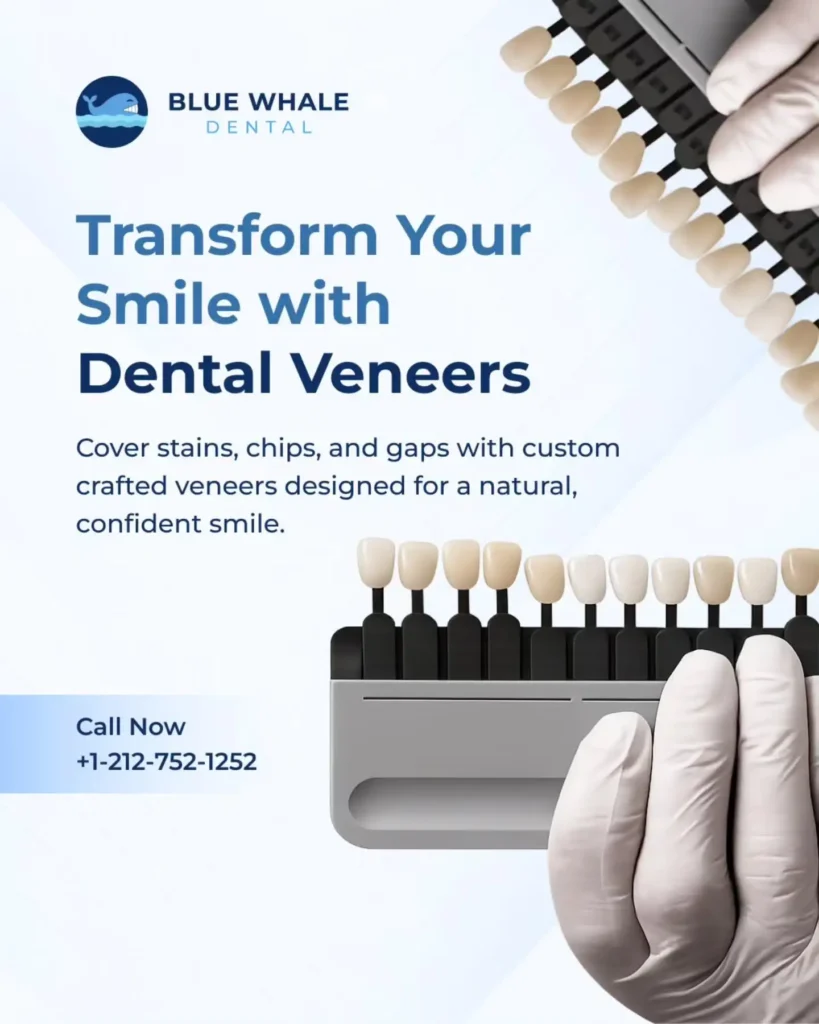
Interested in learning whether veneers are right for you? Contact Blue Whale Dental today to schedule a cosmetic dentistry consultation. Our team can help you understand your options, discuss expected longevity, and create a smile plan designed around your needs.
At Blue Whale Dental NYC, we provide advanced and personalized solutions for missing teeth, including implants, bridges, and full restorative care tailored to your needs.
Ready to book your dentist appointment in Midtown NYC Visit our clinic or schedule your appointment today with our expert dental team.
Address: 10 W. 46th Street #1402 New York, NY 10036
Email: info@bluewhaledental.com
Call Now : 212-752-1252