
Brushing and flossing do different jobs. A toothbrush removes plaque from the broad outer, inner, and chewing surfaces of teeth. It cannot reliably clean the narrow contact areas where two teeth meet or fully disrupt plaque along those hidden surfaces.
That matters because interdental plaque can contribute to cavities between teeth, gum inflammation, bleeding, bad breath, and calculus buildup. However, traditional string floss is not automatically the best tool for every patient. Tooth spacing, gum condition, dental restorations, implants, orthodontic appliances, dexterity, and technique all affect which method works best.
This guide explains why interdental cleaning matters, how to floss correctly, why gums sometimes bleed, and how to choose between floss, interdental brushes, floss holders, and water flossers.
What Flossing Removes That Brushing Leaves Behind
Every time you eat, food particles and bacteria collect between your teeth and along the gumline. Brushing removes most of the buildup on the outer surfaces, but it cannot reach the tight spaces between teeth.
When flossing is skipped regularly:
- Plaque begins to harden
Plaque forms within hours and turns into tartar if not removed. Tartar is hard, yellowish buildup that cannot be removed at home. It traps bacteria and irritates gums. - Gums start to inflame
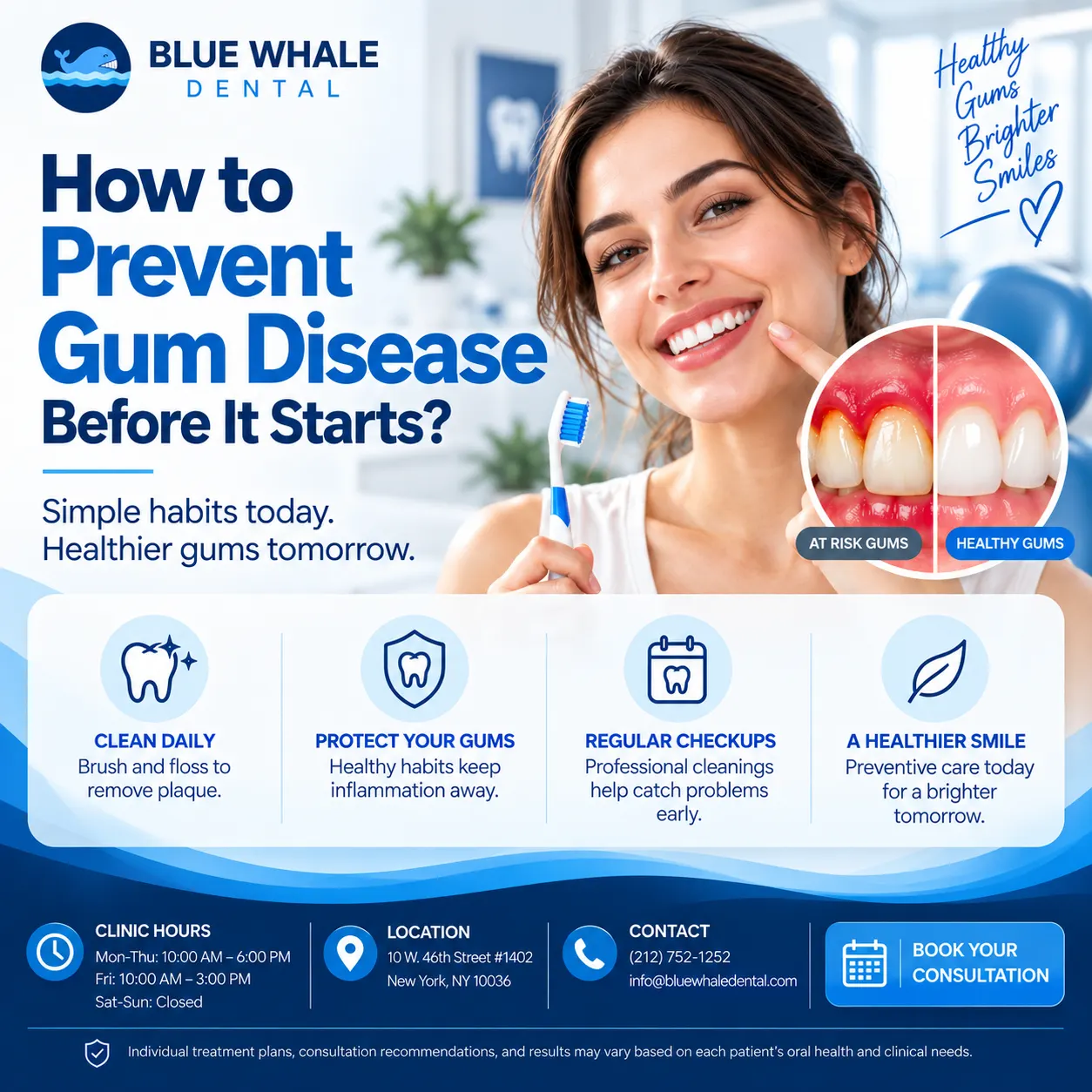
The first stage of gum disease is gingivitis. You may notice redness, bleeding while brushing, or tenderness. Many patients ignore these signs, but they indicate the start of a bigger issue. - Acid and bacteria stay trapped
Food trapped between teeth feeds harmful bacteria. These bacteria release acids that break down enamel and lead to cavities in between teeth. - Bad breath becomes more common
Bacteria and debris that sit between teeth create odors that brushing alone cannot fix. - Over time, gum disease progresses
If plaque and tartar remain, gums begin to pull away from teeth. This can lead to deeper pockets, bone loss, loose teeth, and eventually tooth loss.
Flossing is a small daily habit that prevents all of these issues from building up.
Benefits of Flossing Daily
Daily flossing supports both short term freshness and long term oral health.
- Removes Plaque Your Toothbrush Cannot Reach:
Toothbrush bristles can clean the outer, inner, and chewing surfaces of teeth, but they cannot reliably enter tight contact areas between neighboring teeth. Floss and other interdental cleaners are designed to disrupt plaque in those spaces and along the adjacent gumline.
- Prevents Gum Disease:
Gums should not bleed regularly during gentle brushing or interdental cleaning. Repeated bleeding commonly indicates inflammation caused by plaque near the gumline. However, floss that is snapped forcefully into the gums can also cause trauma.
- Helps Prevent Cavities Between Teeth:
Cavities often form in the tight spaces where teeth touch each other. Removing debris and plaque lowers your cavity risk significantly.
- Keeps Your Smile Brighter:
Plaque and trapped food can cause discoloration between teeth. Flossing helps keep your smile clear and even. - Freshens Your Breath:
Instead of masking odors with mouthwash, flossing removes the source of the smell so your breath stays naturally fresh.
How Plaque Between Teeth Contributes to Gingivitis and Cavities
When plaque remains undisturbed, it can contribute to gingival inflammation and may absorb minerals from saliva and harden into calculus. Here is how the process works:
Plaque biofilm accumulates between teeth.
Bacterial activity irritates nearby gum tissue.
Gums may become red, swollen, or bleed.
Plaque may harden into calculus.
The area becomes more difficult to clean.
Cavities can also develop on the contacting sides of neighboring teeth, where they may not be visible without a clinical examination and, when appropriate, dental X-rays.
How to Floss Without Cutting or Injuring Your Gums
The American Dental Association (ADA) recommends curving floss into a C shape against the tooth, moving it gently up and down, and avoiding jerking or snapping it into the gums.
Guide the floss gently through the contact instead of snapping it downward.
Curve the floss into a C shape around one tooth.
Move it gently up and down against the tooth surface.
Extend slightly beneath the gum margin without forcing the floss into the tissue.
Repeat against the neighboring tooth.
Use a clean section of floss as you move through the mouth.
Clean behind the last tooth in each arch.
Floss, Interdental Brush, or Water Flosser: Which Is Best?
The best interdental cleaner is not necessarily the same for every tooth or every patient.
-
String floss or dental tape: Usually suitable for relatively tight contacts between teeth.
-
Interdental brushes: May work better where spaces are more open, around some periodontal areas, or where tooth shape makes string floss difficult.
-
Floss holders or picks: Can be more manageable for patients with limited dexterity, although technique still matters.
-
Water flossers: Can be useful for patients who struggle with string floss or who need help cleaning around orthodontic appliances, bridges, implants, or difficult to reach areas.
-
Floss threaders or super floss: Can help clean beneath bridges, around fixed retainers, and around certain orthodontic appliances.
How Interdental Cleaning Changes With Dental Work
-
Dental Implants: Plaque can form around implant-supported restorations, and the correct cleaning method depends on the shape of the restoration and surrounding gum tissue.
-
Bridges: The area beneath the replacement tooth may require a threader, super floss, interdental brush, or water flosser.
-
Crowns and Veneers: The contact areas still need cleaning, but floss should be moved gently through the contact rather than pulled forcefully upward against a restoration.
-
Braces and Fixed Retainers: Floss threaders, orthodontic floss, interdental brushes, or water flossers may make cleaning around wires easier.
-
Tight or Overlapping Teeth: Waxed floss or dental tape may pass more comfortably, but repeated shredding can indicate a rough restoration, calculus, or an unusually tight contact that should be examined.
At Home Care vs Professional Care
| Aspect | At Home Care | Professional Care at Blue Whale Dental |
|---|---|---|
| Daily cleaning | Brushing and flossing remove soft plaque | Deep cleanings remove tartar and buildup you cannot reach |
| Gum health | Reduces bleeding and mild inflammation | Early detection of gum disease before it spreads |
| Stain and odor control | Removes food particles and bacteria | Professional polishing removes surface stains and refreshes breath |
| Tools | Toothbrush, floss, water flosser | Scalers, polishers, X rays, fluoride |
| Prevention | Builds everyday habits | Customized prevention plans for long term oral health |
For more information about Flossing , visit the American Dental Association’s guide.
Long Term Prevention Tips
Flossing is a key habit, but it works even better when paired with a few additional healthy routines.
- Brush twice a day with fluoride toothpaste.
Fluoride helps strengthen enamel and protect against cavities. - Drink water throughout the day.
This helps wash away bacteria and keep your mouth hydrated. - Avoid constant snacking.
Frequent eating increases acid exposure. - Choose tooth friendly snacks.
Nuts, cheese, yogurt, and crunchy vegetables help maintain neutral pH levels. - Replace your toothbrush every three months.
A fresh brush cleans more effectively. - Do not skip dental visits.
Professional cleanings twice a year prevent small problems from becoming bigger issues.
Why Gums Bleed During Flossing and When You Need a Dental Exam
Gums should not bleed regularly during gentle brushing or interdental cleaning. Repeated bleeding commonly indicates inflammation caused by plaque near the gumline. However, floss that is snapped forcefully into the gums can also cause trauma.
Do not avoid the area completely. Use gentle technique and arrange a dental evaluation if the bleeding is persistent, heavy, painful, or accompanied by swelling, recession, bad breath, or loose teeth.
FAQs About Flossing
How often should I floss for healthy teeth and gums?
Dentists recommend flossing once a day to remove plaque between teeth and prevent gum inflammation and cavities.
What should I do if my gums bleed when I floss?
Bleeding gums usually mean there is inflammation or plaque buildup. Floss gently every day for a week. If bleeding continues, schedule a dental exam to rule out early gum disease.
Does flossing really prevent cavities?
Yes. Cavities often form between the teeth where your toothbrush cannot reach. Flossing removes trapped food and bacteria that cause these cavities.
At what age should kids start flossing?
Children should start flossing as soon as two teeth touch. Parents can use floss picks to make the process easier and more comfortable.
What type of floss is best for sensitive gums?
Soft, waxed floss or gentle floss tape glides easily between teeth and reduces discomfort for people with sensitive gums.
Final Thoughts
If your gums bleed regularly, floss repeatedly catches or shreds, or you notice persistent bad breath or tartar between teeth, an examination can identify whether the cause is technique, inflammation, tooth position, a restoration, or an underlying gum condition.
At Blue Whale Dental, located near Bryant Park in Midtown Manhattan, we provide modern cosmetic and restorative dentistry for professionals, residents, and visitors throughout NYC.