
If you are a busy New York City parent, you already know how hard it can be to keep up with everything, from school drop-offs to packed schedules and after-school activities. Dental care can easily slip down the list. But when it comes to your child’s oral health, small daily habits make a big difference.
Cavities are one of the most common chronic childhood health issues, yet they are also highly preventable. The good news is that you do not need a perfect routine to protect your child’s teeth. You need a consistent one.
This guide explains how to prevent cavities in kids using practical, realistic strategies that work for real families. Whether you have a toddler, a school-aged child, or a picky eater who loves snacks, these tips can help you support strong teeth and fewer dental problems.
Why cavities happen in children?
Cavities develop when bacteria in the mouth feed on sugars and starches, producing acid that weakens tooth enamel. Over time, this acid can create small holes in the teeth.
Children are especially prone to cavities for several reasons:
- They may not brush well on their own.
- They often snack more frequently throughout the day.
- Many kid-friendly foods and drinks contain hidden sugar.
- Baby teeth have thinner enamel than adult teeth.
- Some children have deep grooves in their teeth that trap food and plaque.
In a fast-paced city like New York, it is easy for healthy routines to get disrupted. But understanding how cavities form makes it easier to prevent them.
Start brushing early and brush the right way
Good oral hygiene begins as soon as your child’s first tooth appears. Many parents assume baby teeth do not matter much, but healthy baby teeth help with chewing, speech development, and spacing for permanent teeth.
For infants and toddlers:
Use a soft infant toothbrush and a tiny smear of fluoride toothpaste. Brush twice daily, especially before bed. Once your child can spit reliably, usually around age 3, you can use a pea-sized amount of toothpaste.
For older children:
Brush for two full minutes twice a day. Children usually need help or supervision until around age 7 or 8, because many do not have the hand coordination to clean thoroughly on their own.
A few brushing tips that help:
- Use a soft-bristled brush.
- Angle the brush toward the gumline.
- Clean the outer, inner, and chewing surfaces.
- Replace toothbrushes every 3 months or sooner if bristles are frayed.
- Make brushing part of the same routine every morning and night.
If your child resists brushing, try a timer, a favorite song, or brushing together as a family. Consistency matters more than perfection.
Choose fluoride toothpaste and ask about fluoride treatments
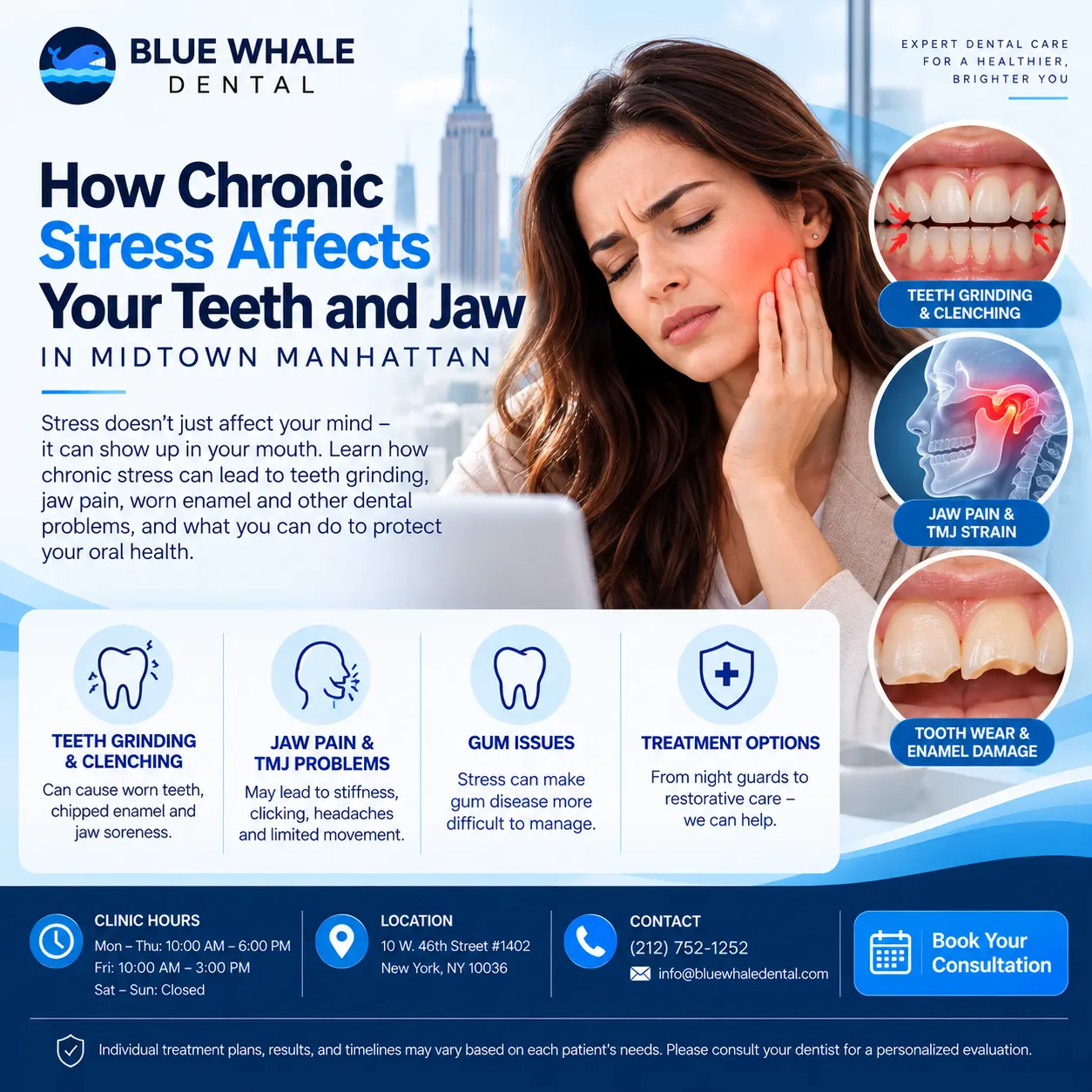
Fluoride is one of the most effective tools to prevent cavities in kids. It helps strengthen enamel and can even repair very early decay before it becomes a full cavity.
For most children, fluoride toothpaste is recommended and safe when used correctly. The right amount depends on age, so ask your pediatric dentist for guidance if you are unsure.
Treatment tradeoff to know
Some parents worry about fluoride exposure and prefer to avoid it. While it is wise to use toothpaste appropriately and store it out of reach, the main tradeoff is this: skipping fluoride may reduce your child’s protection against decay. In children at higher cavity risk, the benefit of fluoride usually outweighs the risk when used as directed.
Professional fluoride varnish may also be recommended at dental visits. This simple treatment is quick, safe, and especially helpful for children who have a higher risk of cavities.
Limit frequent snacking and sugary drinks
One of the biggest cavity risks for kids is not just how much sugar they consume, but how often. Every time your child eats sugary or starchy food, bacteria produce acid. Frequent snacking means teeth are exposed to acid more often.
Best habits for busy parents:
- Keep snack times structured instead of constant grazing.
- Offer water between meals.
- Reserve juice for occasional use, if at all.
- Avoid letting children sip milk, formula, or sweet drinks throughout the day.
- Choose tooth-friendly snacks when possible.
Better snack options:
- Cheese
- Plain yogurt
- Apples
- Cucumbers
- Nuts, if age-appropriate and safe
- Whole grain crackers in moderation
Foods and drinks to limit:
- Juice boxes
- Sports drinks
- Soda
- Sticky candies
- Fruit snacks
- Sugary cereals
- Frequent sugary treats
In New York City, it is easy to rely on grab-and-go snacks. The goal is not to ban all treats, but to create a routine where sugary foods are occasional rather than constant.
Make water the default drink
Water is one of the simplest tools for kids cavity prevention. It helps rinse away food particles and keeps the mouth from drying out. If your local water supply contains fluoride, drinking tap water may also give your child extra cavity protection.
Encourage water:
- With meals
- After snacks
- During and after playtime
- Before bedtime if needed, but avoid overnight sipping from a bottle or sippy cup.
If your child only drinks flavored beverages, transition gradually by diluting them or offering water in a fun cup or bottle they like.
Don’t let children fall asleep with bottles or sippy cups
This is a major cause of toddler tooth decay. When milk, formula, juice, or sweet drinks pool around the teeth during sleep, cavity-causing bacteria have a long time to feed on the sugar.
If your child still uses a bottle or sippy cup:
- Avoid putting anything other than water in it at bedtime.
- Transition away from bottle use as early as possible.
- Clean teeth before sleep, even if your child had a bottle earlier in the evening.
This habit can be hard to change, especially for tired parents. But it has a big impact on cavity prevention.
Floss once teeth start touching
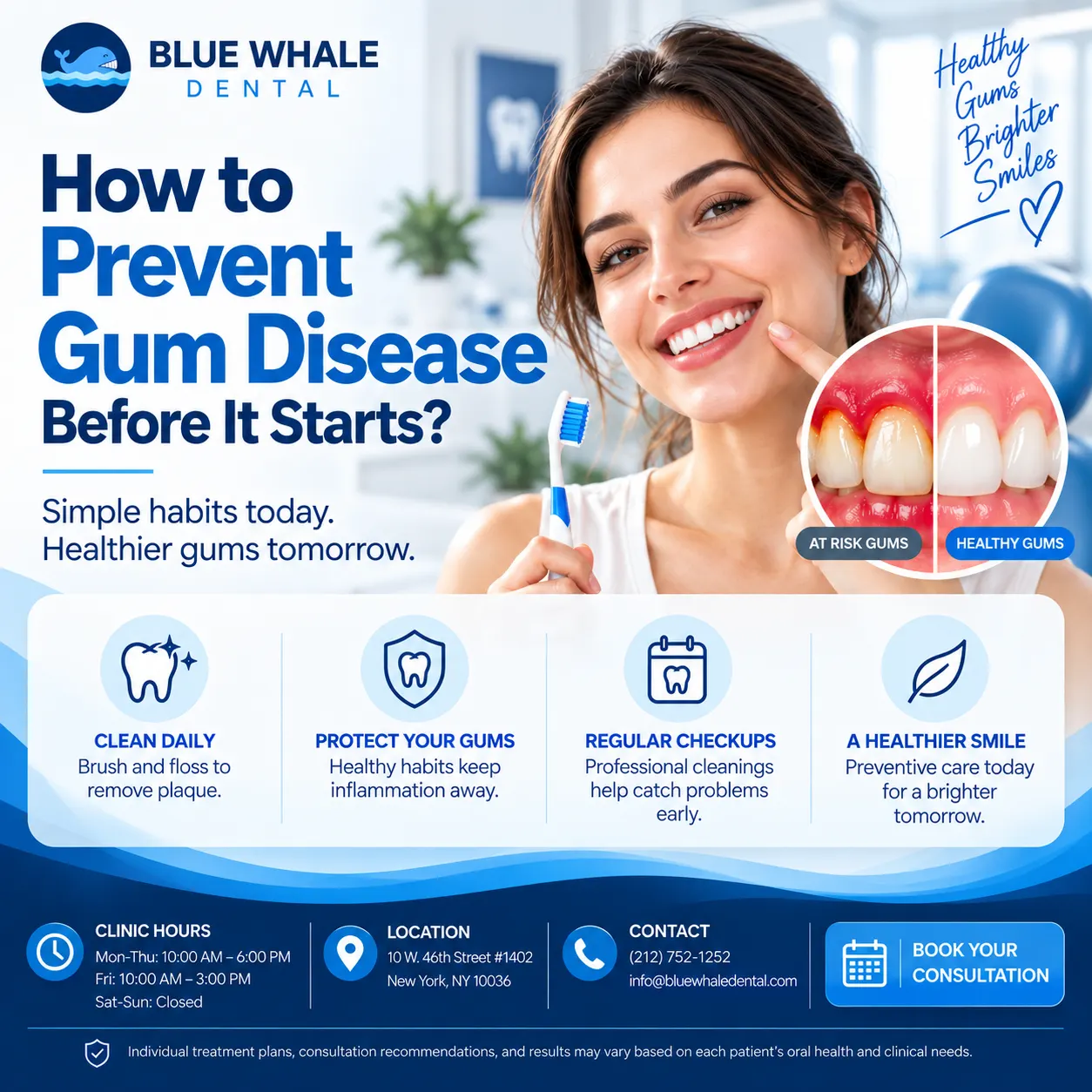
Flossing is often overlooked, but it matters as soon as two teeth touch. Cavities commonly develop between teeth where a toothbrush cannot reach.
For younger children, parents usually need to do the flossing. You can use regular floss, floss picks, or child-friendly floss tools, depending on what works best. The best flossing method is the one you will actually do consistently.
A few signs your child may need more flossing help:
- Food frequently gets stuck between teeth.
- You see redness or bleeding along the gums.
- The child has had cavities between teeth before.
Schedule regular dental visits early
Children should see a dentist early, ideally by their first birthday or when the first tooth appears, whichever comes first. Regular checkups help catch problems early and give parents personalized prevention advice.
At a pediatric dental visit, your child may receive:
- A professional cleaning
- Fluoride varnish
- Cavity screening
- Guidance on brushing and diet
- Sealant recommendations if appropriate
Why do early visits matter?
Early visits are not just about fixing problems. They are about preventing them. A pediatric dentist can identify enamel weaknesses, feeding habits, or hygiene issues before they turn into cavities.
For NYC parents juggling schedules, it helps to book visits in advance and keep them on the calendar like any other important appointment.
Ask about dental sealants for cavity-prone teeth
Dental sealants are a thin protective coating applied to the chewing surfaces of back teeth. These grooves can trap plaque and food, making them especially vulnerable to decay.
Sealants are most often recommended for school-aged children when the permanent molars erupt.
Sealants can help:
- Lower cavity risk on molars.
- Protect deep grooves in back teeth.
- Reduce the need for future fillings.
Tradeoff to consider
Sealants are preventive, not permanent forever. They can wear down over time and may need to be checked or replaced. Still, for many children, they are a smart investment in cavity prevention, especially if your child has a history of decay or struggles with brushing back teeth thoroughly.
Watch for early warning signs
Cavities do not always cause pain right away. Catching them early can reduce treatment needs and protect your child from discomfort.
Watch for:
- White spots on teeth
- Brown or dark areas on enamel
- Tooth sensitivity
- Pain when chewing
- Bad breath that does not go away
- Swelling or redness near a tooth
If you notice any of these signs, schedule a dental visit promptly. Early decay can often be managed with less invasive treatment than a full filling.
Keep oral health realistic for a busy NYC lifestyle
Parents in New York City often deal with long commutes, shared living spaces, crowded schedules, and kids who are always on the move. A cavity prevention routine has to be realistic.
Try these practical strategies:
- Keep a toothbrush and toothpaste in more than one bathroom if needed.
- Use a travel toothbrush for after school or after dinner.
- Set phone reminders for brushing and dental appointments.
- Pack snack options that are lower in sugar.
- Brush together as a family so children see it as normal.
The goal is not a perfect routine every day. The goal is a routine that works most days.
When to call a pediatric dentist?
You should schedule a dental visit if:
- Your child has tooth pain.
- You notice white or brown spots.
- A tooth is chipped or injured.
- Your child has not had a dental exam in the past six months.
- You are struggling to manage brushing or flossing at home.
- Your child has a history of cavities.
A pediatric dentist can recommend a customized prevention plan based on age, diet, and cavity risk.
What It Does | Best For | Tradeoffs | |
|---|---|---|---|
Strengthens enamel and helps prevent early decay | Most children | Must be used in the correct amount | |
Fluoride varnish | Adds extra protection during dental visits | Children at moderate or high cavity risk | Needs periodic reapplication |
Covers deep grooves on molars | School-aged children and cavity-prone teeth | May wear over time | |
Water | Reduces sugar exposure and rinses the mouth | All children | Requires consistent habits |
Daily flossing | Removes plaque between teeth | Children whose teeth touch | Often requires parent help |
Catches problems early and supports prevention | All children | Needs routine scheduling |
Final Thoughts
To prevent cavities in kids, you do not need a complicated routine. You need a few reliable habits that fit your family’s life. Brushing with fluoride toothpaste, limiting sugary snacks, using water as the main drink, flossing when teeth touch, and visiting the dentist regularly can make a major difference.
If you want expert support to help prevent cavities in kids, Blue Whale Dental is here to help. Schedule a pediatric dental visit today for personalized guidance, preventive care, and a child-friendly experience designed to keep growing smiles healthy.
Frequently Asked Questions About Cavities
What is the best way to prevent cavities in kids?
The best approach is a combination of twice-daily brushing with fluoride toothpaste, regular flossing, limited sugary snacks and drinks, water as the main beverage, and regular dental visits.
At what age should my child start seeing a dentist?
Your child should see a dentist by age 1 or within 6 months of the first tooth erupting. Early visits help prevent problems before they start.
Is fluoride safe for children?
Yes, fluoride is generally safe and effective for children when used as directed. It is one of the best tools for strengthening enamel and preventing cavities.
Do baby teeth really need treatment if they have cavities?
Yes. Baby teeth matter for chewing, speech, comfort, and guiding permanent teeth into place. Untreated cavities can cause pain, infection, and more serious dental problems.
Are sealants worth it for kids?
For many children, yes. Sealants can significantly reduce the risk of cavities on the chewing surfaces of back teeth, especially in children who are prone to decay.
How often should kids brush their teeth?
Children should brush twice a day, once in the morning and once before bed, for two minutes each time.
Why Midtown Manhattan Professionals Choose Blue Whale Dental
If you want expert support to help prevent cavities in kids, Blue Whale Dental is here to help. Schedule a pediatric dental visit today for personalized guidance, preventive care, and a child-friendly experience designed to keep growing smiles healthy.
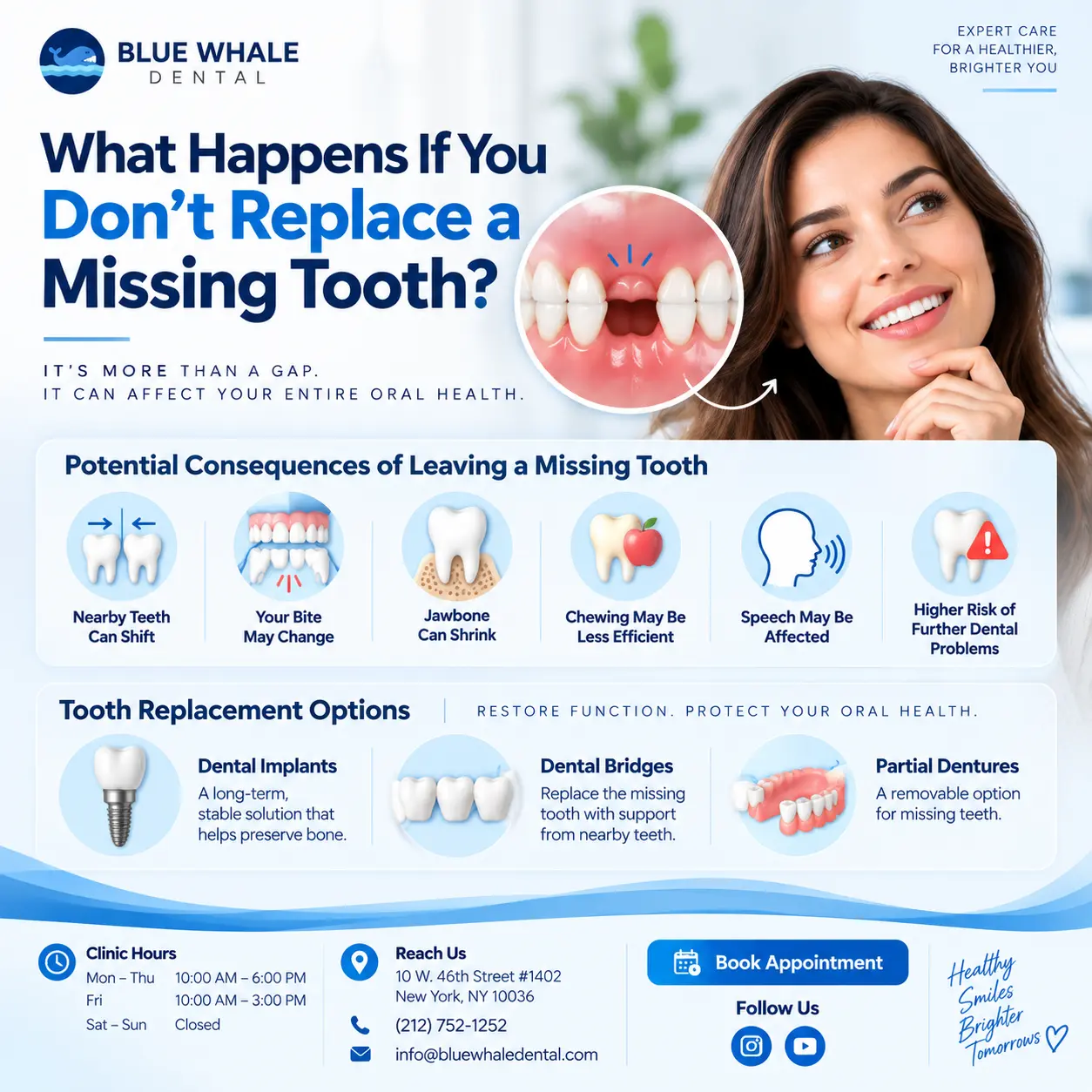
At Blue Whale Dental NYC, we provide advanced and personalized solutions for missing teeth, including implants, bridges, and full restorative care tailored to your needs.
Ready to book your dentist appointment in Midtown NYC Visit our clinic or schedule your appointment today with our expert dental team.
Address: 10 W. 46th Street #1402 New York, NY 10036
Email: info@bluewhaledental.com
Call Now : 212-752-1252