
Bleeding gums causes are often ignored until symptoms become painful or more difficult to manage. One of the most common warning signs people notice is gums bleeding when brushing, yet many assume it happens because they brushed too hard or used the wrong toothbrush. Others stop flossing completely after seeing blood in the sink.
In reality, healthy gums usually do not bleed during normal brushing or flossing. While temporary irritation can happen after aggressive brushing or starting a new flossing routine, persistent bleeding may indicate plaque buildup, gum inflammation, gingivitis, or early gum disease.
The good news is that many bleeding gums can improve significantly with better oral hygiene habits, earlier dental care, and consistent preventive treatment. In this article, we will explain 7 hidden reasons for gums bleeding when brushing and what actually helps improve long-term gum health.
Is It Normal for Gums to Bleed When Brushing?
Occasional mild bleeding gums causes can happen temporarily, especially if someone has not flossed consistently for a while. However, regular bleeding should not be considered normal.
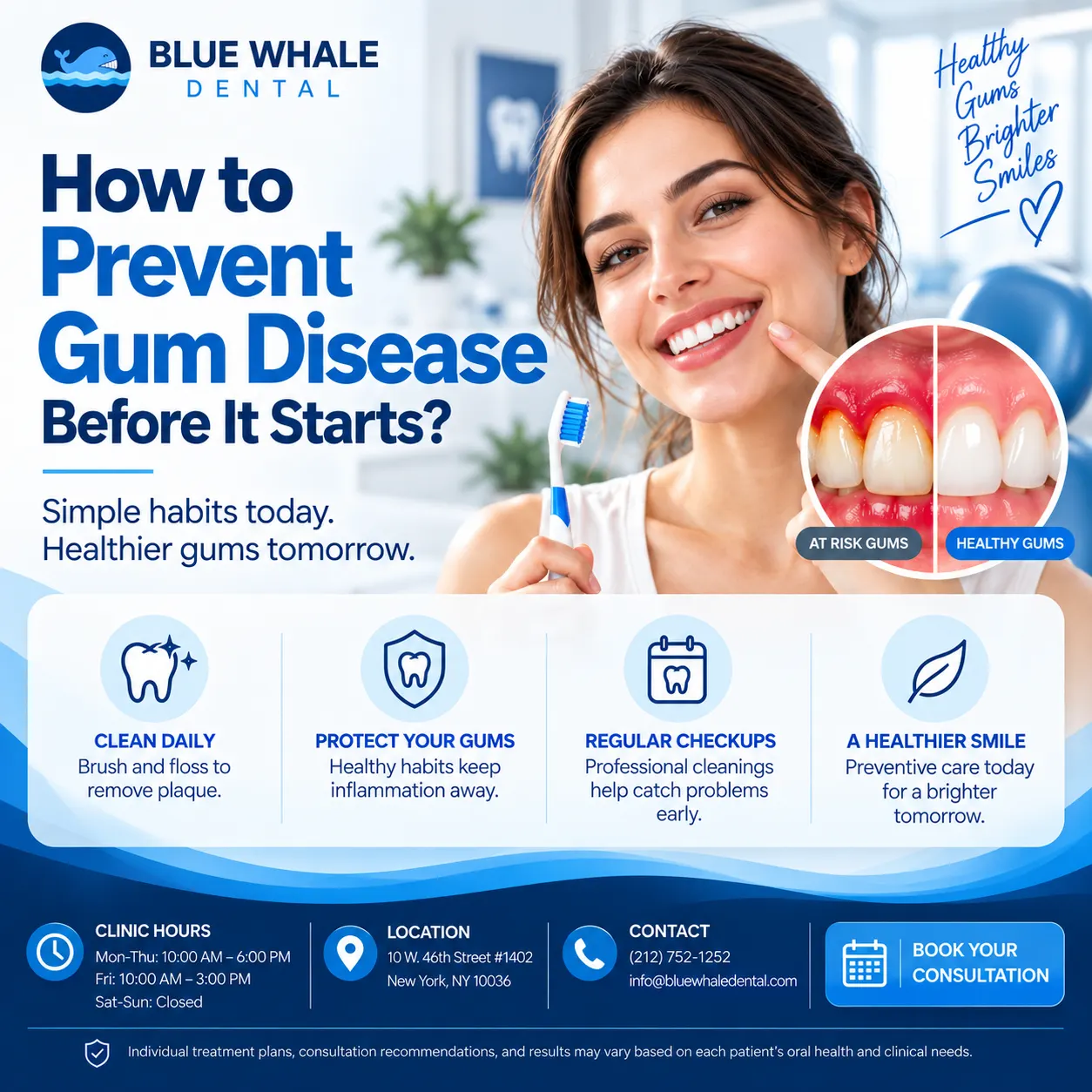
According to the American Dental Association, bleeding gums are often one of the earliest signs of gingivitis, which is the initial stage of gum disease. If plaque remains around the gumline, bacteria can irritate the tissue and trigger inflammation. Over time, untreated gingivitis may progress into periodontitis, a more serious form of gum disease that can damage bone and supporting tissues.
Many people are surprised to learn that gum disease is extremely common. The CDC estimates that nearly 47% of adults aged 30 years and older in the United States have some form of periodontal disease.
7 Hidden Reasons for Gums Bleeding When Brushing
This is the most common Bleeding gums causes
Plaque is a sticky bacterial film that constantly forms on teeth. When it is not removed properly through brushing and flossing, the gums become irritated and inflamed. Early gingivitis may also cause:
- Redness
- Swelling
- Tender gums
- Bad breath
- Mild gum sensitivity
The encouraging part is that gingivitis is often reversible with improved oral hygiene and professional cleanings.
Some people believe brushing harder cleans teeth better, but aggressive brushing can damage gum tissue over time.
Using a hard bristled toothbrush or applying excessive pressure may lead to:
- Gum irritation
- Enamel wear
- Gum recession
- Increased sensitivity
Soft-bristled toothbrushes are generally recommended because they clean effectively without unnecessarily traumatizing the gums.
Bleeding sometimes starts when people begin flossing again after a long break. This usually happens because inflamed gums react to bacteria trapped between teeth.
Stopping flossing entirely often makes the problem worse.
Gentle daily flossing helps reduce bacterial buildup and inflammation over time. Many people notice improvement within 1 to 2 weeks of consistent oral hygiene.
4. Vitamin Deficiencies and Nutrition Issues
Nutritional deficiencies can affect gum health more than many realize.
Low vitamin C intake may weaken connective tissues and increase gum inflammation. Vitamin K also plays a role in blood clotting, which may affect bleeding tendencies.
Poor diets high in sugar and processed foods can contribute to bacterial growth and inflammation throughout the mouth.
Foods that support healthier gums include:
- Leafy greens
- Citrus fruits
- Fish rich in omega 3 fatty acids
- Crunchy vegetables
- Water-rich fruits
Bleeding Gums vs Healthy Gums
| Condition | Healthy Gums | Bleeding Gums |
|---|---|---|
| Color | Light pink | Red or dark pink |
| Swelling | Minimal | Common |
| Bleeding | Rare | Frequent during brushing/flossing |
| Sensitivity | Mild or none | Increased sensitivity |
| Breath Odor | Usually fresh | Persistent bad breath possible |
| Recommended Action | Maintain hygiene | Improve hygiene and evaluate causes |
5. Hormonal Changes Affecting Gum Sensitivity
Hormonal fluctuations can increase blood flow to gum tissues and make gums more sensitive.
This is commonly seen during:
- Pregnancy
- Puberty
- Menopause
- Menstrual cycles
6. Smoking or Vaping Habits
Smoking weakens the immune system and affects blood circulation in gum tissues. Interestingly, smokers sometimes experience less visible bleeding initially because nicotine reduces blood flow.
Vaping may also contribute to dry mouth and oral tissue irritation, although research is still ongoing regarding its long-term effects on periodontal health.
7. Underlying Health Conditions or Medications
Certain medical conditions and medications can contribute to Bleeding gums causes
Examples include:
- Diabetes
- Blood clotting disorders
- Immune system conditions
- Blood thinning medications
- Some blood pressure medications
Persistent gum bleeding combined with swelling, loose teeth, or pain should not be ignored.
What Actually Helps Reduce Gum Bleeding and Bleeding Gums Causes?
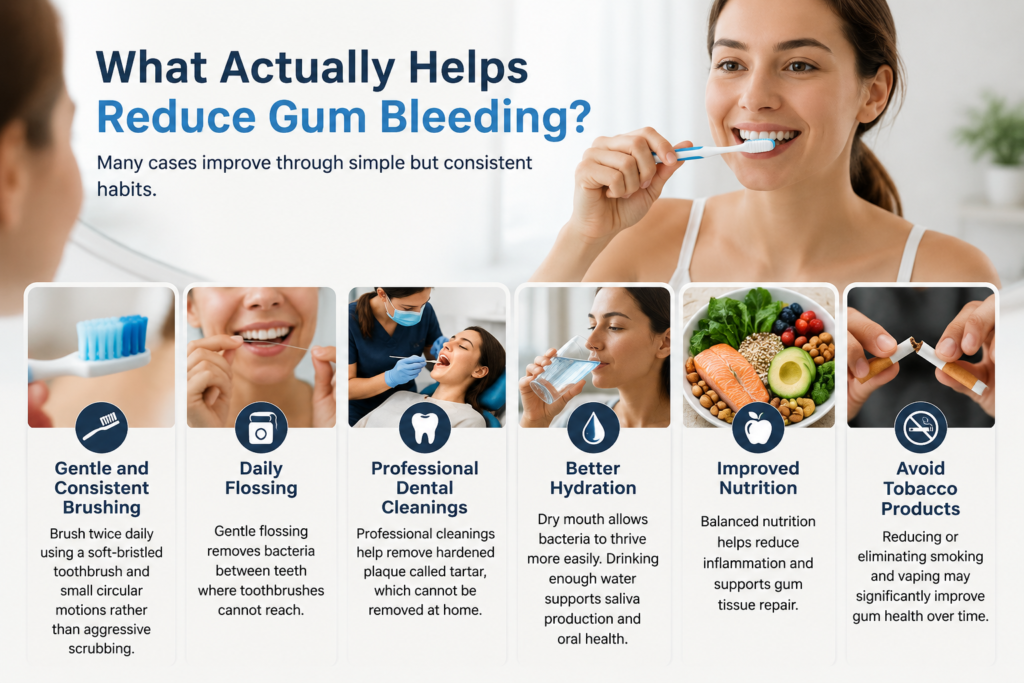
Many cases improve through simple but consistent habits.
- Gentle and Consistent Brushing: Brush twice daily using a soft-bristled toothbrush and small circular motions rather than aggressive scrubbing.
- Daily Flossing: Gentle flossing removes bacteria between teeth where toothbrushes cannot reach.
- Professional Dental Cleanings: Professional cleanings help remove hardened plaque called tartar, which cannot be removed at home.
- Better Hydration: Dry mouth allows bacteria to thrive more easily. Drinking enough water supports saliva production and oral health.
- Improved Nutrition Balanced nutrition helps reduce inflammation and supports gum tissue repair.
- Avoid Tobacco Products: Reducing or eliminating smoking and vaping may significantly improve gum health over time.
When Bleeding Gums May Need More Attention
Occasional mild bleeding may improve quickly, but some symptoms suggest more advanced gum problems.
Pay attention to:
- Bleeding lasting more than 2 weeks
- Gum recession
- Persistent bad breath
- Loose teeth
- Pain while chewing
- Swollen gums
- Pus near gumline
- These signs may indicate periodontal disease rather than temporary irritation.
Conclusion
Bleeding gums causes are often linked to early gum inflammation rather than a harmless dental issue. In many cases, gums bleeding when brushing can result from plaque buildup, inconsistent oral hygiene, aggressive brushing habits, or lifestyle factors that slowly affect long-term gum health.
The encouraging part is that many early gum problems can improve with better brushing techniques, consistent flossing, healthier nutrition, and regular preventive dental care. Small daily oral hygiene habits usually make a much bigger difference than temporary fixes or brushing harder.
Understanding the real bleeding gums causes people to respond earlier, improve gum health naturally, and reduce the risk of developing more advanced gum disease over time.
Frequently Asked Questions
Why do my gums bleed even when I brush gently?
Gentle brushing may still trigger bleeding if gums are already inflamed from plaque buildup or gingivitis.
Can bleeding gums heal naturally?
Mild gum inflammation can often improve with consistent oral hygiene and plaque control, especially in early gingivitis stages.
Is occasional gum bleeding serious?
Occasional mild irritation may not be serious, but repeated bleeding should not be ignored.
What toothbrush is best for sensitive gums?
Soft-bristled toothbrushes are generally recommended because they clean effectively while reducing gum irritation.
How long does it take for bleeding gums to improve?
Mild gingivitis may begin improving within 1 to 2 weeks of consistent oral hygiene and professional cleaning support.
Why Midtown Manhattan Professionals Choose Blue Whale Dental
Healthy gums are an important part of long-term oral health, yet many people overlook early warning signs until discomfort becomes more noticeable. Understanding the causes of bleeding gums and improving daily oral hygiene habits early can help prevent more advanced gum problems later.
Blue Whale Dental in Midtown Manhattan focuses on preventive dental care, patient education, and long-term gum health support through modern, patient-centered dentistry.
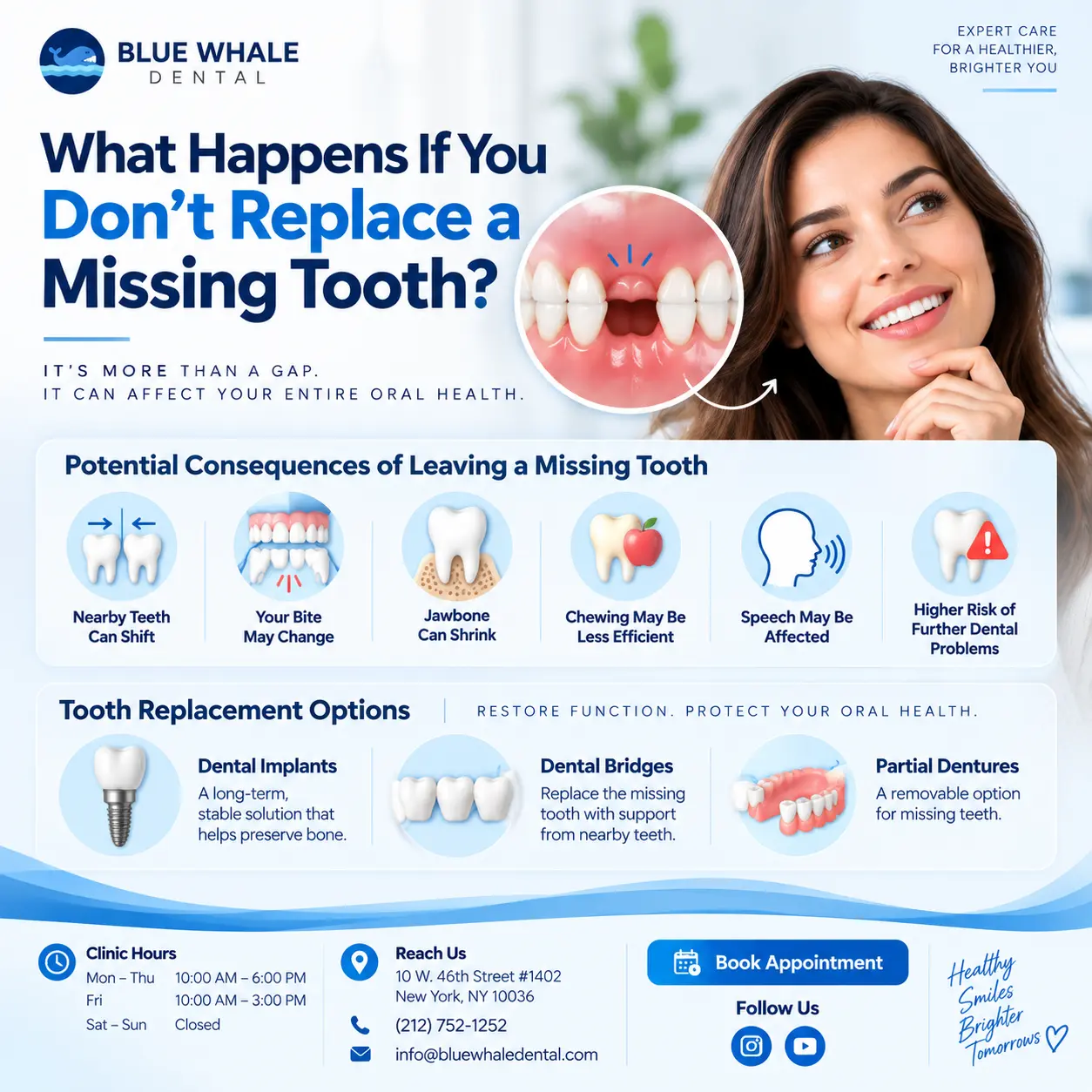
At Blue Whale Dental NYC, in Midtown Manhattan focuses on preventive dental care, patient education, and long-term gum health support through modern, patient-centered dentistry.We provide advanced and personalized solutions for missing teeth, including implants, bridges, and full restorative care tailored to your needs.
Ready to book your dentist appointment in Midtown NYC Visit our clinic or schedule your appointment today with our expert dental team.
Address: 10 W. 46th Street #1402 New York, NY 10036
Email: info@bluewhaledental.com
Call Now : 212-752-1252