
Tooth Regeneration Breakthrough: What Happens When You Lose a Tooth Today?
Tooth regeneration is becoming one of the most exciting topics in modern dentistry as scientists explore ways humans may one day regrow natural teeth.
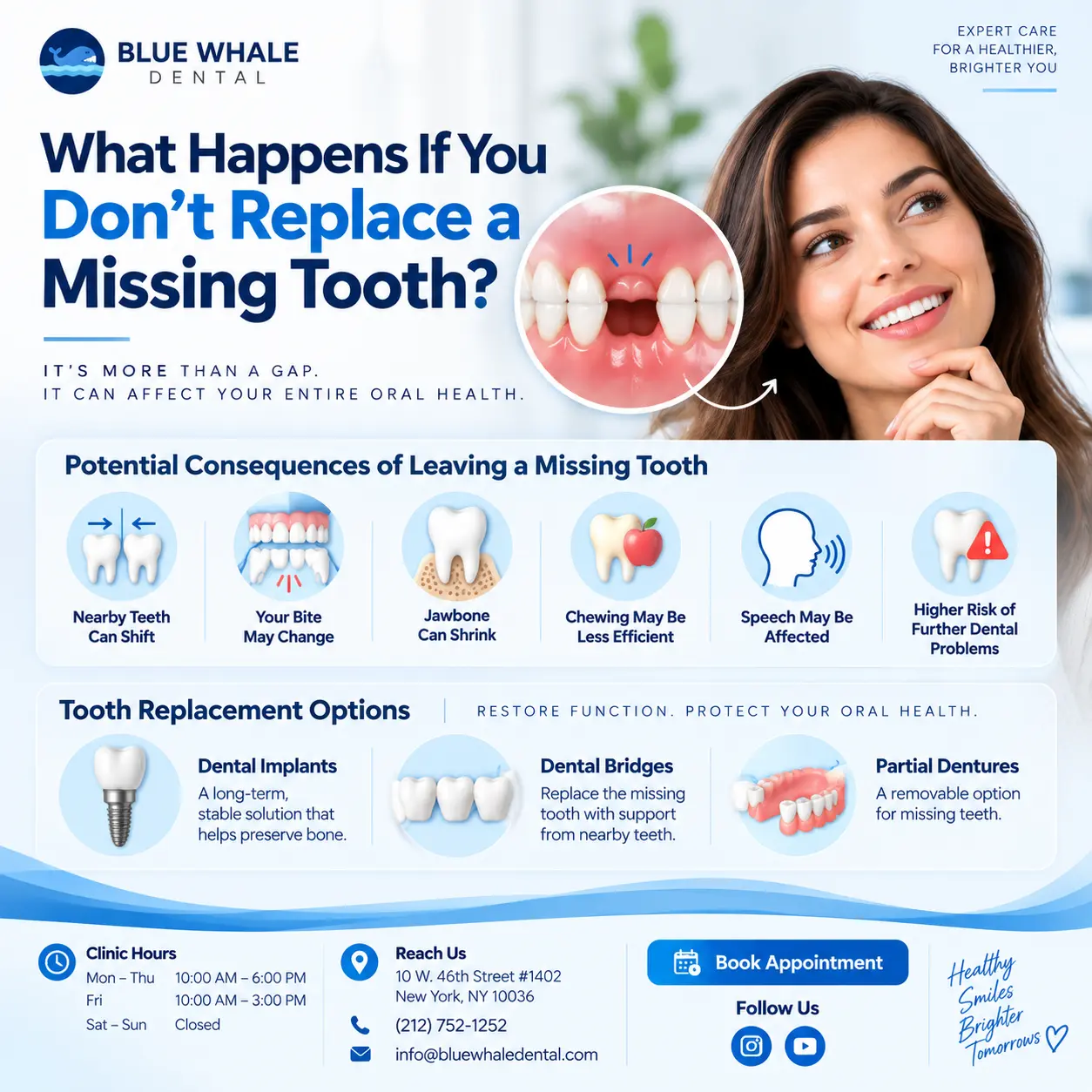
Today, losing a tooth is still a common dental issue that can affect both oral health and overall confidence. The most widely used solutions include dental implants, bridges, and dentures, which effectively restore function and appearance.
However, it is important to understand that all of these treatments are artificial replacements. They do not restore the body’s natural ability to grow a completely new tooth. This is why tooth regeneration research is attracting significant attention in the future of dental science.
Can You Regrow a Lost Tooth Naturally ?
The idea of being able to regrow lost tooth structures naturally has gained significant attention in recent years. While humans do not currently have the natural ability to regrow teeth like some animals, scientific research suggests that this capability may still exist in a dormant form.
Recent studies in tooth regeneration research indicate that under the right biological conditions, the body may be able to activate pathways responsible for new tooth development. This is where the concept of natural tooth regrowth becomes highly relevant.
However, it is important to clearly understand that this is still in the experimental stage. At present, there is no approved treatment that allows patients to regrow teeth naturally. All findings so far are based on controlled laboratory studies and early clinical trials.
Breakthrough Research on Tooth Regrowth in Japan
The most promising advancement in tooth regeneration research is currently being led by scientists in Japan. Researchers from Kyoto University and Kitano Hospital are collaborating on this innovative study focused on natural tooth regrowth.
According to research published in Science Advances, this study explores how biological mechanisms in the human body can be reactivated to support the development of new teeth under controlled conditions.
Kyoto University is globally recognized for its contributions to medical science and biotechnology, while Kitano Hospital plays a key role in clinical research and patient based trials. Together, these institutions are working on a drug that could potentially enable humans to regrow lost teeth naturally in the future.
How the USAG 1 Protein Affects Tooth Growth
At the center of this breakthrough is a protein known as USAG 1 (Uterine Sensitization Associated Gene 1).
According to the published study, USAG 1 functions as a regulatory protein that suppresses tooth development by interacting with key signaling pathways such as BMP (Bone Morphogenetic Protein). These pathways are essential for initiating tooth formation during early development.
- In simple terms:
- USAG 1 acts as a natural inhibitor of tooth growth
- It prevents the formation of extra teeth
- It regulates how many teeth develop in the body
Researchers found that by blocking the USAG 1 protein, it may be possible to release this inhibition. This could allow dormant biological signals to activate and potentially stimulate the growth of new teeth.
This approach is based on long term genetic and developmental biology research and represents a major step forward in natural tooth regrowth science.
What Scientists Have Achieved So Far
Before initiating human trials, researchers conducted controlled laboratory and animal studies to evaluate this approach.
According to findings reported in Science Advances, experimental models showed that suppressing USAG 1 activity led to the formation of new teeth in animals. These newly developed teeth were structurally complete and demonstrated functional characteristics similar to natural teeth.
The image referenced in this section represents results from these studies, where increased tooth development was observed in animal models treated with USAG 1 blocking therapy.
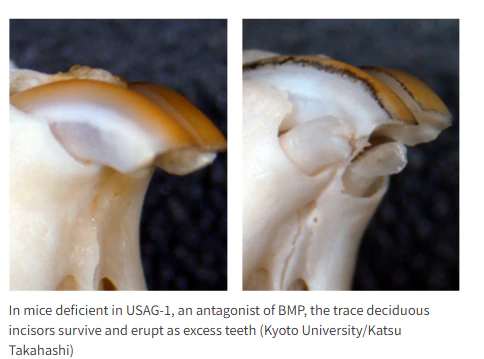
These findings confirm that the biological mechanism required to regrow teeth naturally may still exist and can be activated under specific experimental conditions.
Important Research Note
Human Trials for Tooth Regeneration Explained
Following successful animal testing, researchers have now progressed to early stage human clinical trials. This phase is critical in determining whether the treatment can be safely and effectively applied in real world conditions.
- The current research is focused on:
- Evaluating safety in human participants
- Determining appropriate dosage levels
- Monitoring biological response and long term outcomes
It is important to emphasize that this research is still ongoing. While early results are promising, the treatment must undergo multiple phases of clinical testing and regulatory approval before it can be considered for public use.
Who Could Benefit from Tooth Regrowth Treatment ?
If tooth regrowth treatment becomes successful in the future, it could benefit a wide range of individuals dealing with tooth loss.
- This includes:
- People born with congenital tooth loss conditions
- Individuals who have lost teeth due to injury or accidents
- Adults experiencing tooth loss because of aging or gum disease
In such cases, the ability to replace missing teeth naturally could eliminate the need for artificial solutions and provide a more biological and long term approach to oral health.
This is why researchers consider this innovation a potential breakthrough in the future of dentistry, especially for patients looking for natural alternatives to current treatments.
Could Tooth Regrowth Replace Dental Implants in Future
Dental implants are currently considered the most advanced solution for replacing missing teeth. They provide durability, functionality, and a natural appearance.
However, implants still rely on artificial materials. If tooth regrowth treatment becomes successful, it could introduce a completely new approach where the body heals itself by generating a natural tooth.
This would represent a major shift in dentistry, moving from replacement based treatments to biological regeneration.
When Could Tooth Regrowth Become Available ?
One of the most common questions is when this treatment will actually be available for patients.
Based on current research timelines, scientists suggest that tooth regrowth could potentially become available around the year 2030. However, this depends on several critical factors, including:
- Successful completion of human clinical trials
- Long term safety and effectiveness results
- Regulatory approvals from health authorities
While early results from animal studies and ongoing trials are promising, it is important to approach this timeline with caution. Medical innovations require extensive testing before they can be safely introduced to the public.
Until then, patients should rely on existing, proven dental treatments for managing tooth loss.
Important Note This Treatment Is Still in Research Phase
While the progress in dental research in Japan is exciting, it is essential to maintain realistic expectations.
- This treatment:
- Is still under clinical testing
- Has not been approved for general use
- Is not available at any dental clinic today
Patients should continue to rely on proven treatments for tooth loss until this research is fully validated and approved.
Conclusion
The idea of tooth regrowth marks an exciting step forward in the future of dentistry. Research conducted by leading institutions in Japan suggests that natural tooth regeneration may one day become a reality through advanced biological methods such as blocking the USAG 1 protein.
However, it is essential to understand that this innovation is still under clinical trials and has not yet been approved for public use. While the results from animal studies and early human testing are promising, patients should continue to rely on proven dental treatments for now.
Staying informed about advancements in tooth regeneration research and the future of dentistry helps patients make confident and informed decisions about their oral health.
Frequently Asked Questions
Can humans regrow lost teeth naturally ?
At present, humans cannot regrow lost teeth naturally. However, ongoing tooth regeneration research aims to make this possible in the future by activating biological pathways responsible for tooth development.
What is the role of USAG 1 in tooth regrowth ?
USAG 1 is a protein that prevents the growth of extra teeth. Scientists are researching ways to block this protein, which may allow the body to naturally develop new teeth.
Is tooth regrowth treatment available today ?
No, this treatment is still in the research and clinical trial phase. It is not available at any dental clinic, including Blue Whale Dental NYC.
When could tooth regrowth become available ?
If ongoing trials are successful, experts suggest that this treatment could become available around 2030. However, this depends on safety approvals and further research outcomes.
What are the current alternatives for missing teeth ?
Current treatments include dental implants, bridges, and dentures. These are reliable and widely used solutions for restoring function and appearance.
Who is leading tooth regrowth research ?
Researchers from Kyoto University and Kitano Hospital are leading this groundbreaking research.
Why Midtown Manhattan Professionals Choose Blue Whale Dental
While tooth regrowth research is progressing, it is still in the experimental stage and not available for patients today. If you have lost a tooth, it is important to choose reliable and proven treatments to restore your oral health and smile.
At Blue Whale Dental NYC, we provide advanced and personalized solutions for missing teeth, including implants, bridges, and full restorative care tailored to your needs.
Ready to book your dentist appointment in Midtown NYC Visit our clinic or schedule your appointment today with our expert dental team.
Address: 10 W. 46th Street #1402 New York, NY 10036
Email: info@bluewhaledental.com
Call Now : 212-752-1252