Early orthodontic intervention Midtown Manhattan is often overlooked in busy family life filled with packed schedules, school drop-offs, after-school activities, sports, and limited family time in the city. With so much going on, it’s easy to miss subtle changes in your child’s developing smile.
Many parents assume they’ll notice obvious problems like crooked teeth or a big overbite. However, the most important orthodontic issues often start silently long before they become clearly visible.
The American Association of Orthodontists (AAO) recommends that every child receives their first orthodontic evaluation by age 7. Why so early? Because this is when jaw growth is most responsive, and small corrections can prevent bigger, more expensive, and longer treatments later.
At Blue Whale Dental, we frequently see Midtown families who wish they had noticed these silent signs earlier. Here are the 5 most common subtle indicators that your child may benefit from early orthodontic intervention.
Early Orthodontic Intervention Midtown Manhattan:
5 Silent Signs Your Child May Need
| Indicator | Impact on Oral Development |
|---|---|
| Early or Delayed Tooth Loss | Can signal crowding or spacing issues for permanent teeth. |
| Crowding or Overlapping | Indicates the jaw may be too narrow for emerging permanent teeth. |
| Mouth Breathing | Can affect jaw development and facial growth in urban environments. |
| Shifting or Clicking Jaw | May point to a developing bite imbalance or crossbite. |
| Uneven Tooth Wear | Indicates a bite misalignment that can damage permanent teeth. |
-
Early or Delayed Loss of Baby Teeth: If your child loses baby teeth much earlier or later than their classmates, it can signal crowding or spacing issues. Permanent teeth may not have enough room to erupt properly, which is one of the earliest red flags many Midtown parents miss.
-
Crowding or Overlapping Teeth: Even mild crowding in the front teeth (especially lower incisors) can indicate that the jaw is too narrow for all permanent teeth. Catching this early allows for gentle guidance instead of future extractions or lengthy treatment.
-
Mouth Breathing or Noisy Breathing During Sleep: Chronic mouth breathing, even without loud snoring, can affect jaw development and facial growth. This is often linked to orthodontic needs and is more common in NYC urban environments than parents realize.
-
Shifting or Clicking Jaw When Chewing: Sideways jaw movement during eating, jaw fatigue, or occasional clicking sounds may point to a developing bite imbalance or crossbite. These subtle habits can worsen quickly during growth spurts.
-
Uneven Wear on Baby Teeth or Unusual Grinding: Noticeable wear on specific baby teeth or bruxism (grinding) at night can indicate that the bite isn’t aligning properly. Early intervention can protect developing permanent teeth and reduce future wear.
Why Early Intervention Matters in Midtown Manhattan
- Acting during the growth window, typically ages 6–10, offers several advantages for busy NYC families:
- Shorter Treatment Time: Early guidance can significantly reduce the total time a child spends in corrective appliances later.
- Reduced Chance of Extractions: By creating space while the jaw is malleable, we can often avoid removing permanent teeth.
- Better Facial Symmetry: Guidance of jaw growth helps achieve better balance and facial proportions.
- Improved Health Functions: Proper alignment improves breathing, sleep quality, and makes teeth easier to clean.
- Lower Total Cost: Addressing issues early is often more affordable than complex corrective treatment in teenage years.
Real Examples from Our Midtown Practice
- Early Crowding Case: One 7-year-old patient showed only mild lower crowding. Early intervention with guided expansion created perfect space for his permanent teeth, avoiding extractions later.
- Airway and Focus: Another child had unnoticed mouth breathing. After early evaluation and simple correction, both parents and teachers noticed better focus and energy during the school day.
FAQs: Early Orthodontic Signs in Children
At what age should I bring my child for the first check?
The AAO recommends no later than age 7, as this is when a mix of baby and permanent teeth allows for a clear view of jaw growth and bite development.
Are these signs always serious?
Not always. Many children only need monitoring to ensure teeth erupt correctly. Early detection simply provides more options and peace of mind.
Will my child need braces right away?
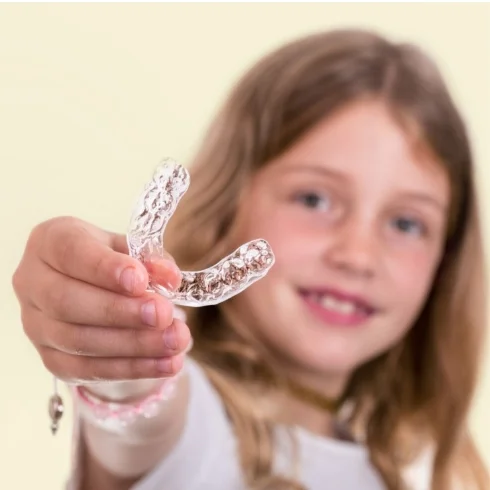
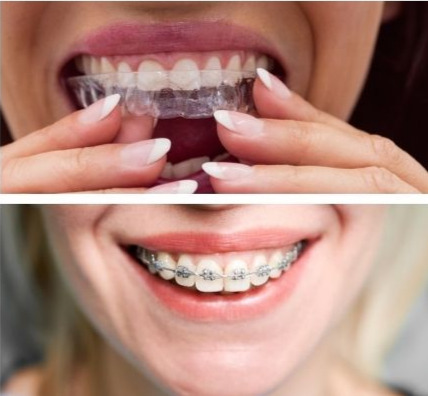
Usually not. Early visits often result in a monitoring plan or short interceptive "Phase 1" treatment, such as Invisalign First, which is tailored for growing jaws.
Is early treatment more expensive?
In most cases, catching issues early saves money long-term by preventing the need for invasive surgeries or more complex orthodontic procedures in the future.
Conclusion: Don’t Wait for Obvious Problems
The silent signs of orthodontic issues are easy to miss, especially in the whirlwind of Manhattan family life. Spotting them early can give your child a healthier bite, better breathing, and improved confidence. Orthodontists undergo 3,700 hours of specialized training to identify these subtle developmental changes.
At Blue Whale Dental in Midtown Manhattan, we provide gentle, child-friendly early orthodontic evaluations in a calm and luxurious environment. If you’ve noticed any of these 5 signs, now is the perfect time to schedule an assessment.